How a Professional Solar Installer Maximizes Efficiency
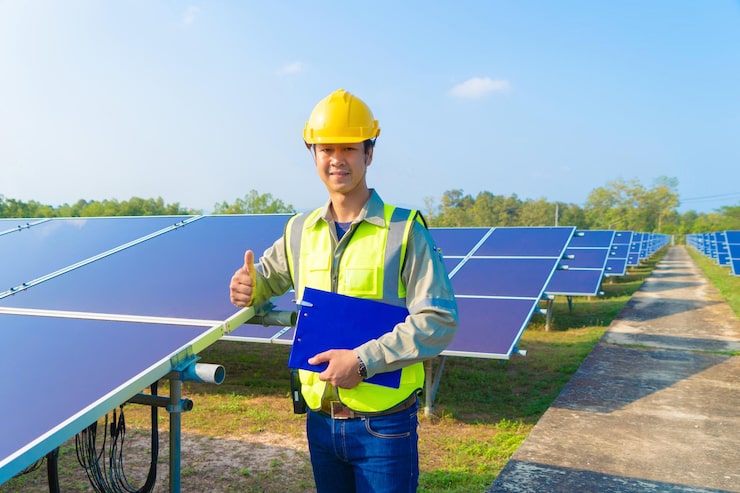
In the world of renewable energy, efficiency is everything. The more sunlight your panels can capture and convert into electricity, the less you pay the utility company. However, achieving maximum efficiency isn’t just about buying the most expensive panels on the market. It requires a holistic approach that combines top-tier hardware with expert design and precision installation. This is where the expertise of a professional solar installer becomes invaluable.
The Difference a Solar Installer Makes with Tier-1 Tech
You will often hear the term “Tier-1” thrown around in the solar industry. But what does it actually mean? It is essentially a measure of a manufacturer’s “bankability” or financial stability. A Tier-1 manufacturer is one that has been vetted by major financial institutions. For a homeowner, this means the company is likely to be around in 25 years to honor their warranty.
However, a great solar installer knows that Tier-1 is just the starting point. Within that tier, there are variations in cell technology, degradation rates, and temperature coefficients. A skilled installer selects specific panels that are suited for the Texas climate. For example, some panels perform poorly in extreme heat, losing significant efficiency. A Texas-focused installer will avoid these and prioritize panels known for heat tolerance.
System Design by Your Solar Installer
Before a single bolt is drilled, your solar installer must design the array. This is a complex engineering challenge. They must analyze the roof’s structural integrity and its exposure to the sun. Shadows are the enemy of solar production. A chimney, a vent pipe, or a neighbor’s tree can cast a shadow that kills the output of a string of panels.
Modern installers use micro-inverters or power optimizers to mitigate this. Unlike old “string” inverters where one shaded panel would drag down the whole system, modern tech allows each panel to operate independently. If one panel is shaded, the rest keep cranking out power at full capacity. A budget installer might skip this tech to save a few bucks, but a quality installer knows it pays for itself in the long run.
Why You Need a Solar Company Near Me for Maintenance
Solar systems are famous for being low maintenance, but “low” doesn’t mean “no.” Dust, pollen, and bird droppings can accumulate on panels, slightly reducing their output. Furthermore, strong Texas storms can occasionally cause minor damage or loosen wiring. This is why having a solar company near me is a strategic advantage.
When your installer is local, scheduling a check-up or a cleaning is simple. If an inverter throws an error code, a local technician can pop over to diagnose it quickly. In contrast, if you bought from a national marketing firm with no local support, you might be waiting weeks for a subcontractor to fit you into their schedule.
The Solar Installer and Smart Home Integration
The modern home is a connected ecosystem. A forward-thinking solar installer doesn’t just slap panels on the roof; they integrate the system into your smart home. This involves setting up consumption monitoring. Most basic systems only show you how much power you produce. Advanced systems show you how much you consume versus how much you produce.
This data is powerful. It helps you change your habits to save even more money. You might learn that running your pool pump at noon (when solar production is high) is free, whereas running it at night costs money. A good installer sets you up with the apps and tools to master your energy usage.
Pricing Transparency from Your Solar Installer
The technology is exciting, but the price has to be right. This is where the business model of your installer is critical. Traditional installers often hide the cost of the technology behind a lump sum that includes their sales commissions. You might think you are paying for premium panels, but you are actually paying for a sales rep’s luxury vacation.
MicroGrid Energy disrupts this by offering a direct-to-consumer avenue. By cutting out the sales bloat, they allow you to allocate your budget toward better technology. You can afford higher efficiency panels or a more robust racking system because you aren’t paying for the “soft costs” of a sales organization.
A Solar Installer Focused on Esthetics
Let’s face it: looks matter. Your home is likely your biggest asset, and you don’t want it to look like a science experiment. A conscientious solar installer cares about curb appeal. They design the array to be symmetrical and balanced. They run conduits through the attic whenever possible, rather than running ugly metal pipes across your roof.
They also offer “all-black” panels that blend seamlessly with darker shingles, offering a sleek, modern look. This attention to detail not only makes you happier with the purchase but helps maintain the resale value of your home.
Future-Proofing with Your Solar Installer
The energy grid is changing. Electric Vehicles (EVs) are becoming common, and home battery storage is the next frontier. A good solar installer designs your system with the future in mind. Even if you don’t buy a battery today, they can install a “storage-ready” inverter that makes adding a battery later a plug-and-play operation.
They can also size your system to account for a future EV charger. This kind of long-term planning saves you from having to pay for expensive upgrades a few years down the road. It is the mark of a professional who views you as a long-term client, not just a one-time sale.
The Solar Installer Conclusion
Technology is the engine of your solar savings, but the installer is the driver. You can have the best engine in the world, but if the driver is bad, you won’t get far. By choosing a solar installer through a vetted, direct platform like MicroGrid Energy, you ensure that you are getting both elite technology and elite workmanship.
Don’t settle for outdated gear or sloppy installation practices. Demand the best for your home. With the right partner, you can turn your roof into a high-tech power plant that serves your family for decades to come.