Why Picture Books for Kids Are Serious Business and Serious Art
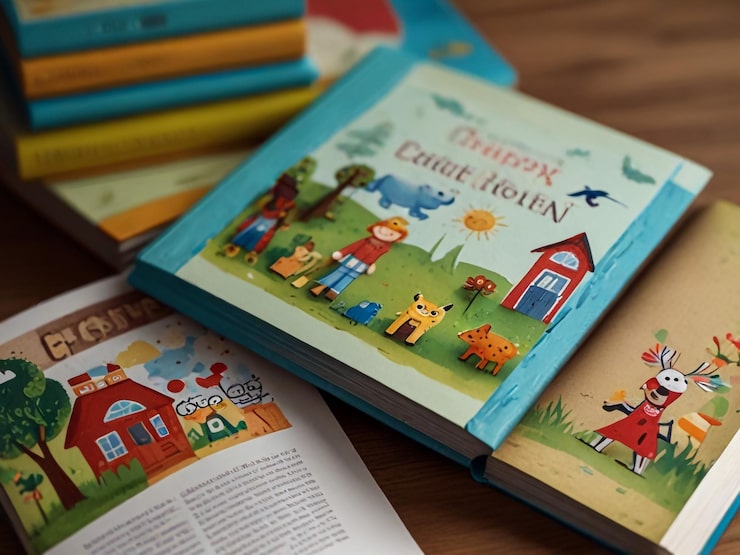
They look deceptively simple. A story told in thirty-two pages, with maybe five hundred words and a handful of illustrations. But do not let the brevity fool you. picture books for kids represent one of the most demanding creative forms in all of publishing, a format where every word must earn its place, every illustration must advance meaning, and the relationship between text and image must operate at a level of coordination that most longer books never attempt. At the same time, the picture book market is a commercially vibrant and emotionally powerful category that shapes children’s earliest relationships with story, illustration, and the written word. Understanding what makes a great picture book, and why they matter so much, is worth serious attention.
The Craft Behind a 32-Page Masterpiece
Creating a successful picture book is genuinely difficult. The best authors understand that they are writing half a book, the illustrations will carry the rest. This means leaving deliberate space in the text, not describing what can be shown, and trusting the illustrator to bring dimensions of the story that words cannot reach. The pacing of a picture book must work as page turns, each spread creating just enough tension or delight to make the reader want to see what comes next. Rhythm and repetition in the text support read-aloud performance, because picture books are experienced orally as much as visually. The authors who master all of these elements simultaneously produce books that are genuinely literary achievements, regardless of their apparent simplicity.
How Illustration Teaches Children to Read Images
One of the under-appreciated functions of picture books is the visual literacy they build in young children. Long before a child can decode written text, they are practicing complex interpretive skills by reading illustrations: noticing facial expressions, interpreting spatial relationships, following sequential narrative across a series of images, and finding meaning in color and composition. These skills translate directly into academic success because visual literacy underpins everything from reading charts and graphs to interpreting historical images and analyzing data visualizations. The child who spent their toddler years poring over richly detailed illustrations has been building sophisticated interpretive capacities the entire time.
The Business of Picture Books in Today’s Market
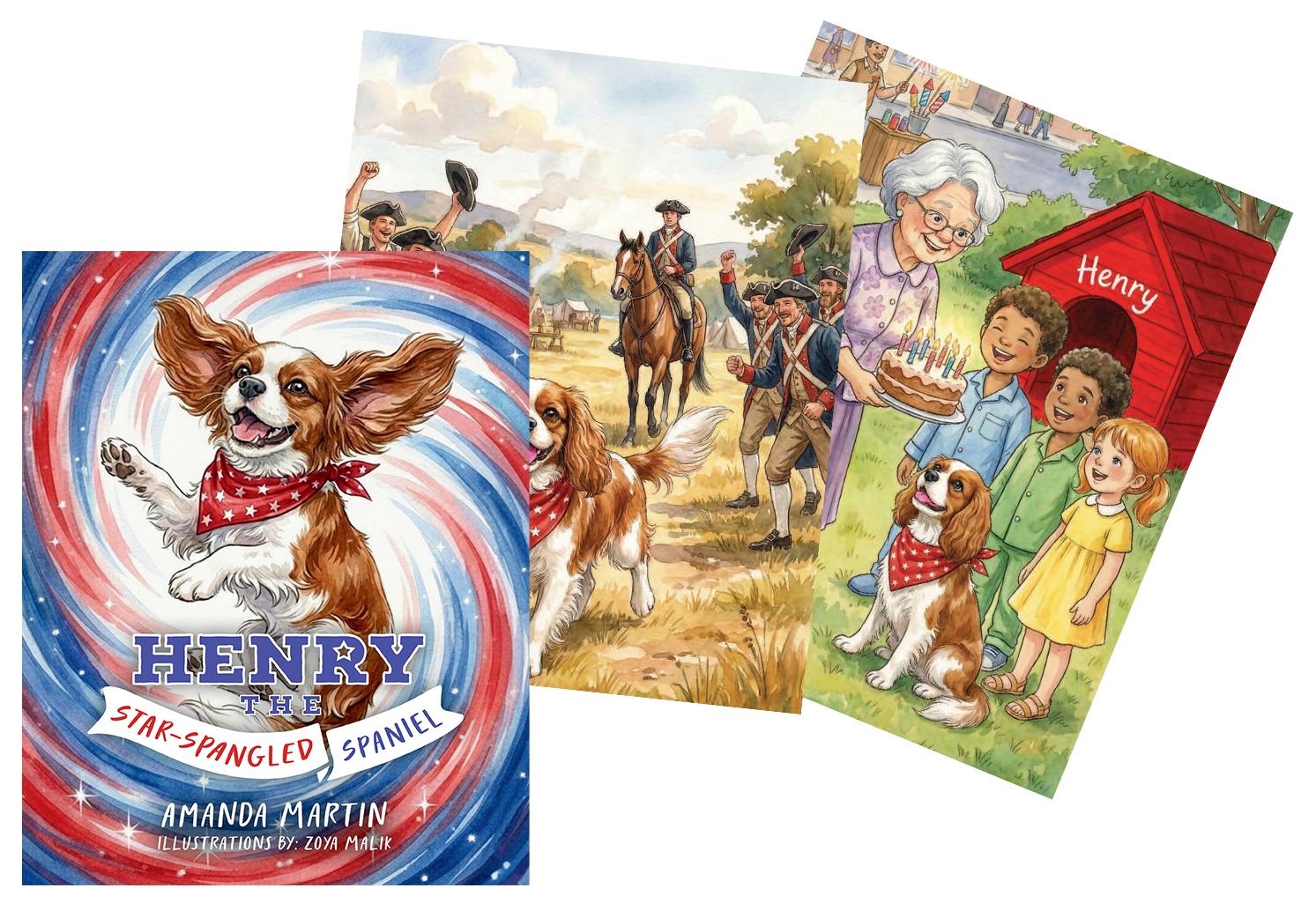
Picture books remain one of the most commercially resilient categories in children’s publishing. They generate strong sales, hold their value on the secondary market, and make popular gifts for birth, holidays, and milestones. The picture book market has also proven unusually receptive to independent and self-published titles, particularly those that serve underrepresented communities or address specific emotional themes. Platforms like picture books for kids provide accessible discovery channels for both traditionally and independently published titles, making it easier for parents to find quality books beyond the bestseller lists. The barrier to discoverability, historically a significant challenge for independent picture book authors, has lowered considerably with the growth of curated online retail.
What the Future Holds for This Enduring Format
Picture books have survived every wave of technological disruption that has swept through children’s media, and there is every reason to believe they will continue to thrive. The format’s intimacy, its suitability for shared reading, its ability to carry complex emotional and moral content in accessible form, and its status as a cultural artifact and collectible all protect it against displacement. Trends worth watching include the growing market for diverse voices in illustration, the expansion of picture book content into augmented reality experiences, and the increasing willingness of publishers to tackle previously avoided topics, including death, mental health, and social justice, in ways appropriate for young audiences.
Conclusion
Great picture books for kids are neither simple nor trivial. They are the first literature many children encounter, and they carry the weight of introducing young minds to the power of story, illustration, and language. The best of them earn their place in a child’s memory and stay there for a lifetime, which is a standard that very few cultural forms ever meet.