Smart Cooking Oil Recycling for a Greener Future
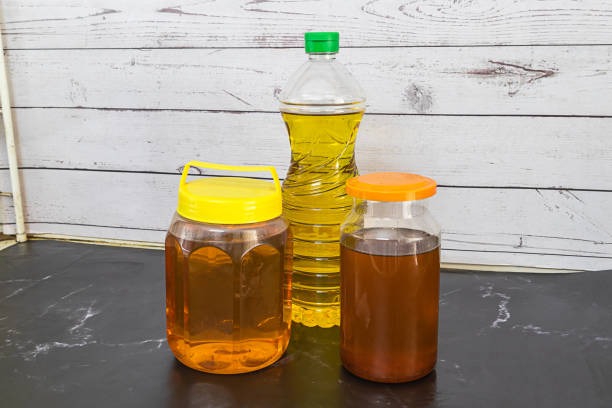
Every kitchen produces used oil, whether from frying snacks, preparing family meals, or operating a busy commercial kitchen. While it may seem harmless to pour leftover oil into the sink or throw it away without planning, those habits can create plumbing issues and contribute to environmental pollution. That is why cooking oil recycling has become an essential practice for homeowners and food businesses alike. Keeping used oil in a proper used cooking oil container makes collection, storage, and transportation easier while reducing waste. Choosing responsible recycling methods also supports sustainability by giving used oil a second life instead of allowing it to become an environmental burden.
Why Cooking Oil Recycling Matters More Than Ever
As environmental awareness continues to grow, more households and restaurants are recognizing the value of cooking oil recycling. Instead of treating used oil as waste, recycling transforms it into a valuable resource for products such as biodiesel, industrial lubricants, and renewable energy solutions. Using a reliable used cooking oil container helps preserve oil quality until it reaches an authorized recycling facility.
Responsible disposal also protects sewer systems from costly grease blockages. When oil is poured into drains, it hardens over time and combines with other waste, creating stubborn clogs that require expensive maintenance. Recycling prevents these problems while supporting cleaner communities and more efficient waste management systems.
Common Mistakes That Reduce Recycling Success
Many people unknowingly make disposal mistakes because they are unaware of proper handling techniques. Even small quantities of oil can accumulate over time, making responsible storage an important habit. Keeping oil in a dedicated used cooking oil container ensures it stays contained, clean, and ready for recycling.
Improper disposal often includes mixing cooking oil with food scraps, chemicals, or household garbage. These actions contaminate recyclable materials and reduce the effectiveness of cooking oil recycling programs. Separating oil from other waste makes recycling faster, cleaner, and far more efficient.
Choosing the Right Used Cooking Oil Container
Selecting the correct used cooking oil container is one of the simplest ways to improve recycling efforts. The ideal container should be durable, leak-resistant, easy to seal, and capable of handling cooled cooking oil without cracking or spilling.
A good storage container also minimizes unpleasant odors and keeps pests away. Whether used in a residential kitchen or a commercial food service operation, proper storage creates a cleaner workspace while making transportation to recycling facilities much easier. Investing in a quality container is a small decision that delivers long-term environmental benefits through better cooking oil recycling practices.

Cooking Oil Recycling Tips for Better Results
Successful cooking oil recycling starts with a few simple habits that anyone can follow. Small improvements in handling and storage make recycling easier while protecting both your plumbing and the environment.
- Allow cooking oil to cool completely before pouring it into a used cooking oil container.
- Keep the container tightly sealed to prevent leaks, odors, and contamination.
- Never mix cooking oil with water, chemicals, or food leftovers before recycling.
- Deliver stored oil to an approved recycling collection point when the container becomes full.
These straightforward practices improve recycling efficiency and help ensure that collected oil can be processed into useful renewable products instead of ending up in landfills or drainage systems.
Environmental Benefits of Responsible Oil Disposal
The positive impact of cooking oil recycling extends far beyond individual households. Recycled oil reduces waste entering landfills and lowers demand for newly produced industrial oils. It also supports renewable fuel production, helping reduce greenhouse gas emissions compared to traditional fossil fuels.
Using a dependable used cooking oil container further improves environmental outcomes by preventing accidental spills that could contaminate soil or waterways. Every properly stored container represents a small but meaningful contribution toward cleaner neighborhoods and healthier ecosystems.
How Restaurants Can Improve Recycling Practices
Commercial kitchens generate significantly larger volumes of used oil than residential homes, making organized recycling even more important. Restaurants that prioritize cooking oil recycling often experience cleaner kitchens, safer work environments, and improved compliance with local waste management regulations.
Staff training plays a valuable role in maintaining consistent recycling habits. Employees should understand how to safely transfer cooled oil into a designated used cooking oil container and recognize the importance of preventing contamination. Establishing a regular pickup schedule with recycling providers also prevents storage overflow and keeps daily operations running smoothly.
Making Cooking Oil Recycling Part of Everyday Habits
Creating lasting environmental change begins with consistent daily actions. Families can place a labeled used cooking oil container in a convenient location, making it easy to collect cooled oil after cooking. Over time, this simple habit becomes second nature and significantly reduces improper disposal.
Businesses can encourage participation by educating employees and displaying recycling reminders near cooking stations. As more people embrace cooking oil recycling, communities benefit from reduced waste, cleaner infrastructure, and greater support for sustainable resource management.
Conclusion
Cooking oil recycling is a practical solution that benefits homeowners, restaurants, and the environment alike. Rather than allowing used oil to damage plumbing systems or contribute to pollution, proper storage and recycling create valuable opportunities for resource recovery. A dependable used cooking oil container keeps oil secure until it reaches a certified recycling facility, making the entire process cleaner and more efficient. By adopting responsible disposal habits and encouraging others to do the same, every kitchen can play an important role in building a more sustainable future where waste is transformed into valuable resources instead of becoming an environmental challenge.